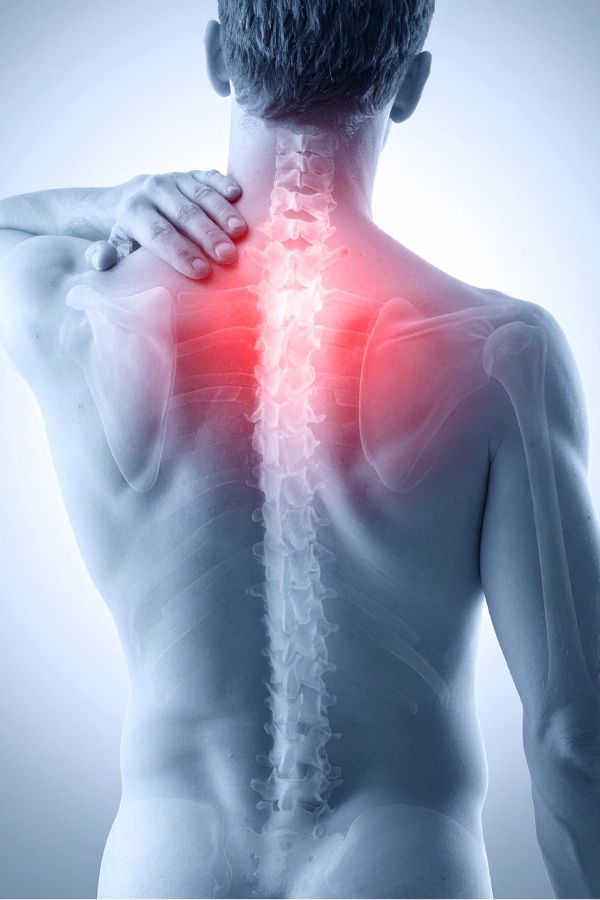
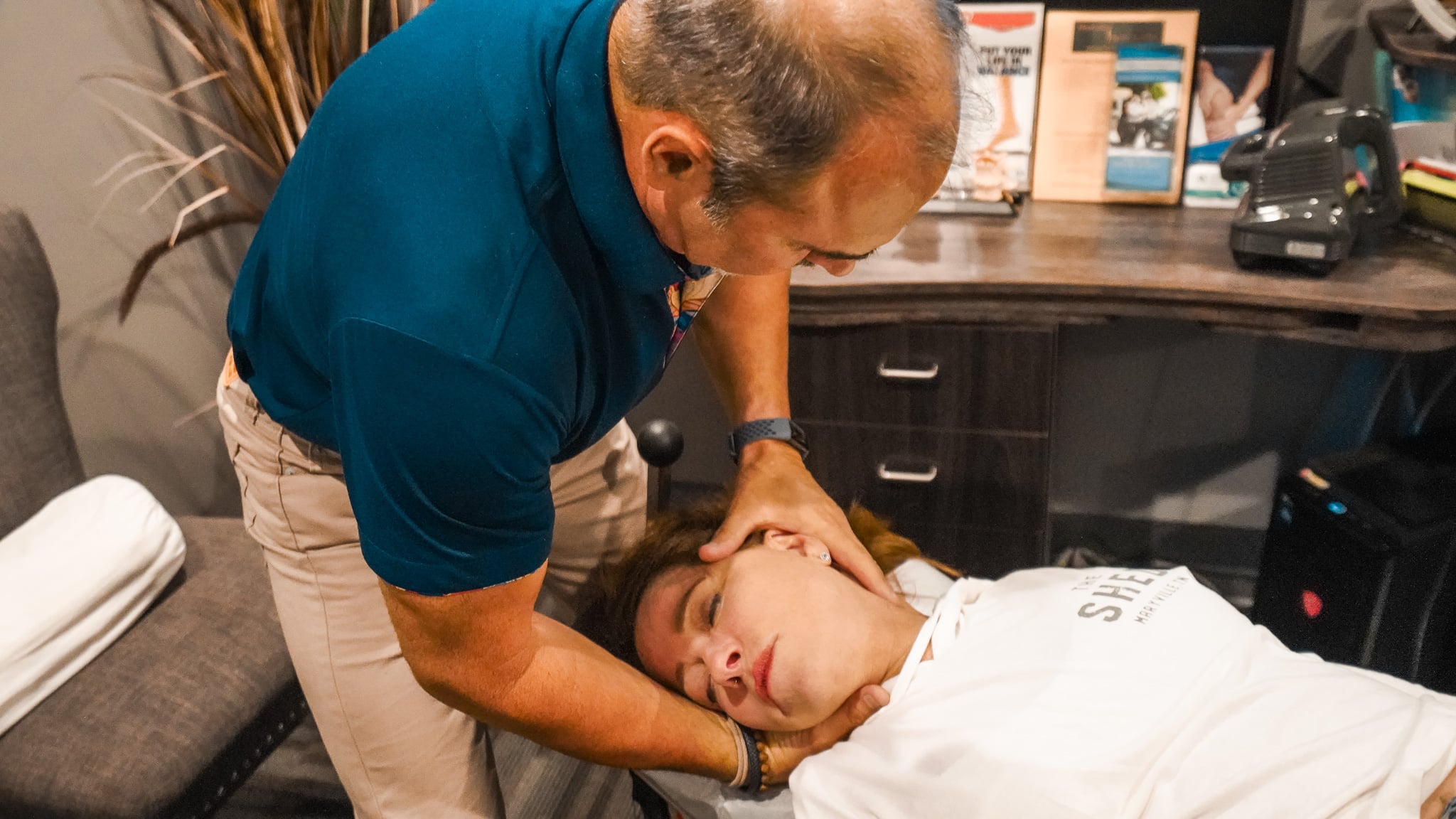
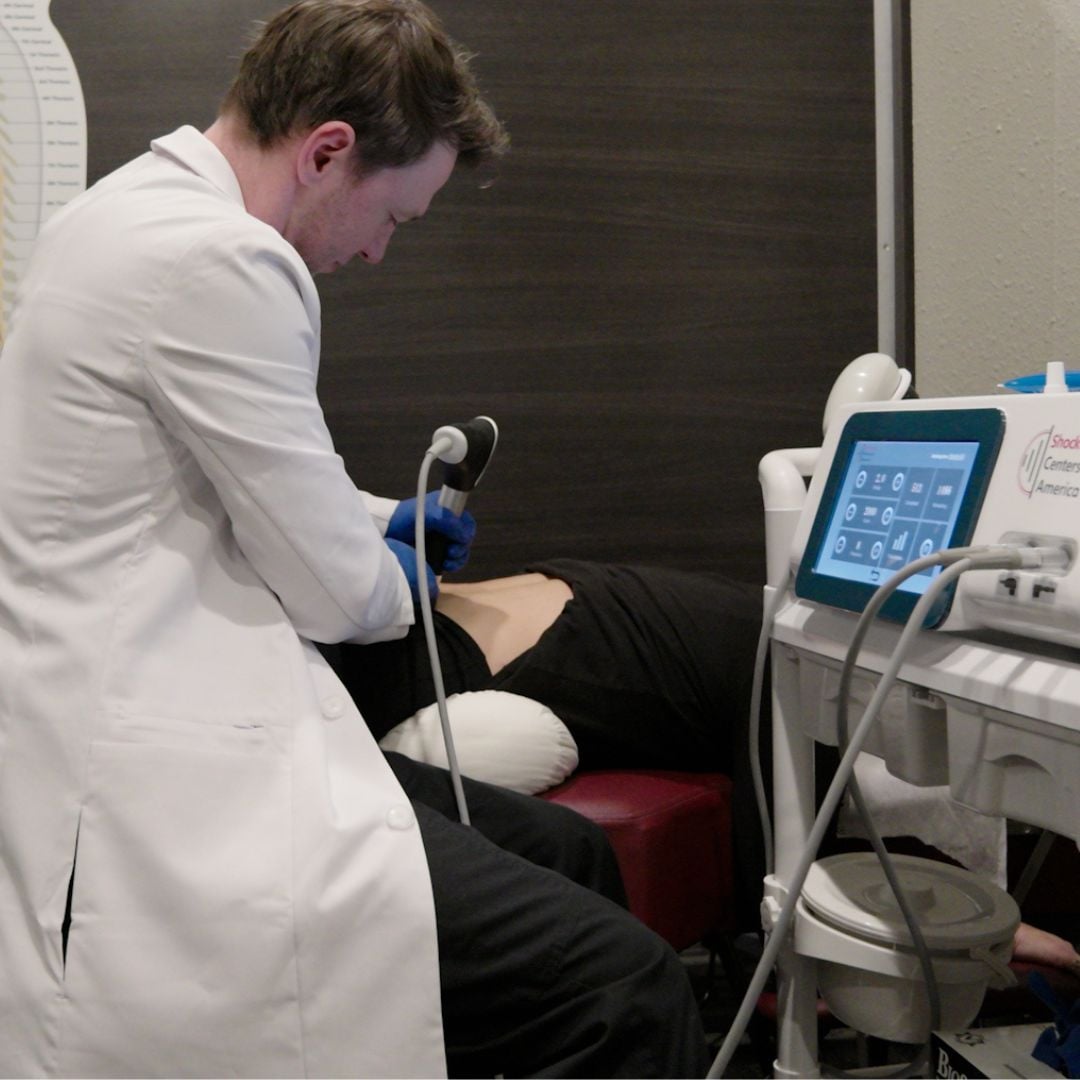
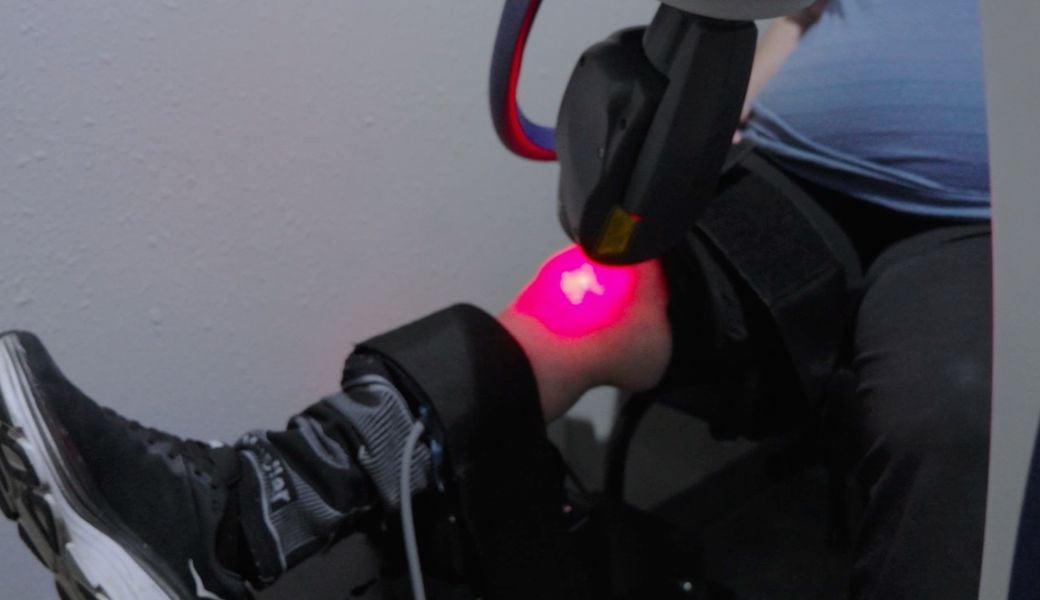
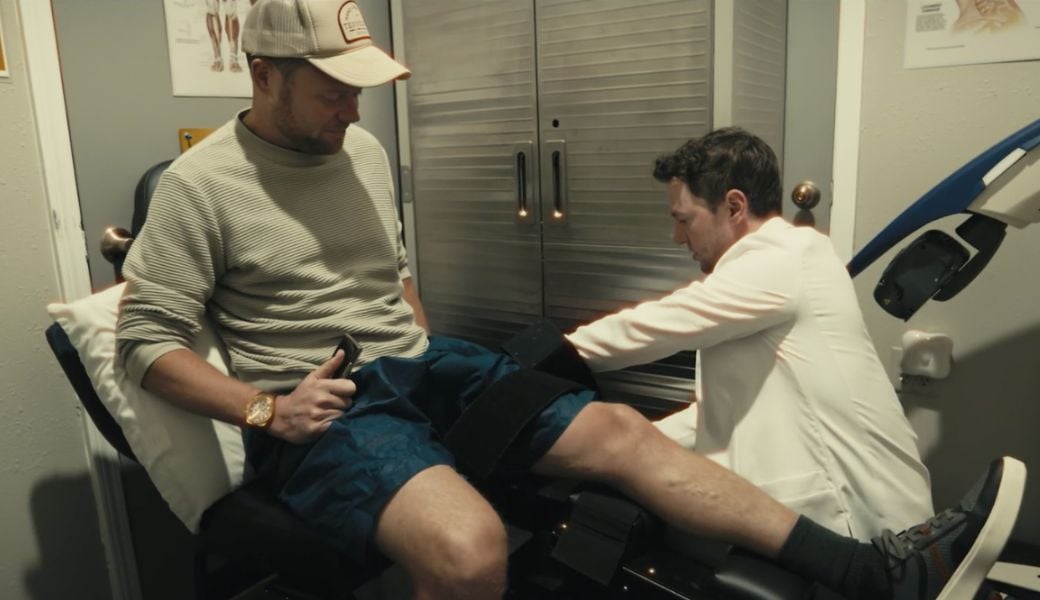
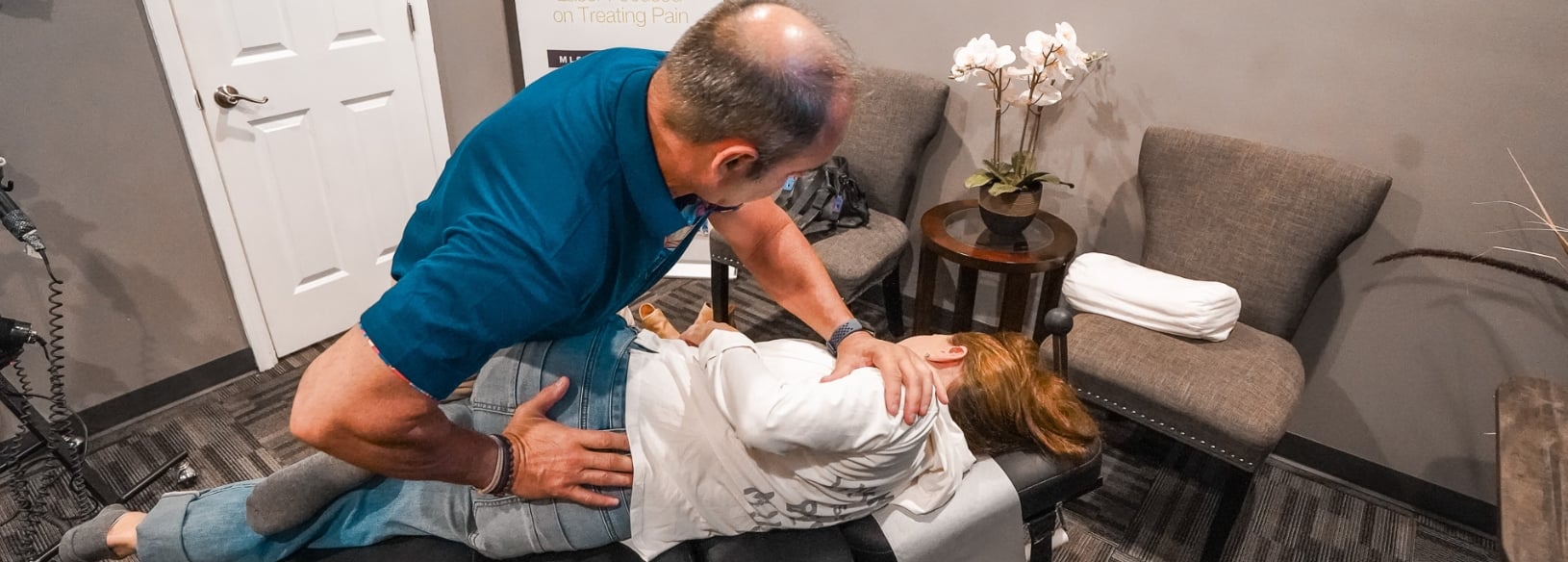
Spinal stenosis is a common condition that can cause back or neck pain, leg heaviness, numbness, or pain that worsens with standing and walking. Action Spine and Joint offers non-surgical spinal stenosis treatment in Nashville focused on improving mobility, decreasing nerve irritation, and helping you stay active. With a detailed evaluation, we personalize care using gentle chiropractic techniques, mobility and strengthening work, and supportive therapies based on your symptoms and functional goals.
Trusted by Thousands of SpinalStenosisPatients Across Nashville
We have streamlined the process for your convenience. You won’t endure the hassle of extensive paperwork or lengthy waits. In fact, you can conveniently complete all the necessary forms from the comfort of your home before your inaugural visit. Additionally, we pride ourselves on ensuring that your waiting time is minimal, typically no more than 10 – 15 minutes. Your journey toward wellness begins with us, hassle-free.
Excellence In Care
What To Expect On YourFirstVisit
We’re Committed To Delivering More Than Just Care — We Focus On Personalized Healing
Learn more about Spinal Stenosis and it's treatment from Action Spine & Joint
What is spinal stenosis?
Sciatica refers to irritSpinal stenosis is narrowing around nerves in the spine, often causing back/neck pain, leg symptoms, heaviness, numbness, or reduced walking tolerance.ation of the sciatic nerve, often causing pain, tingling, or numbness that travels from the low back/glute into the leg.
What are common symptoms of lumbar spinal stenosis?
Leg pain or numbness with walking/standing, relief when sitting or leaning forward, low back stiffness, and fatigue/heaviness in the legs are common.
Can spinal stenosis be treated without surgery?
Many people improve with conservative care focused on mobility, posture, strengthening, and symptom-reducing therapies—especially for mild to moderate cases.
What treatments do you use for spinal stenosis?
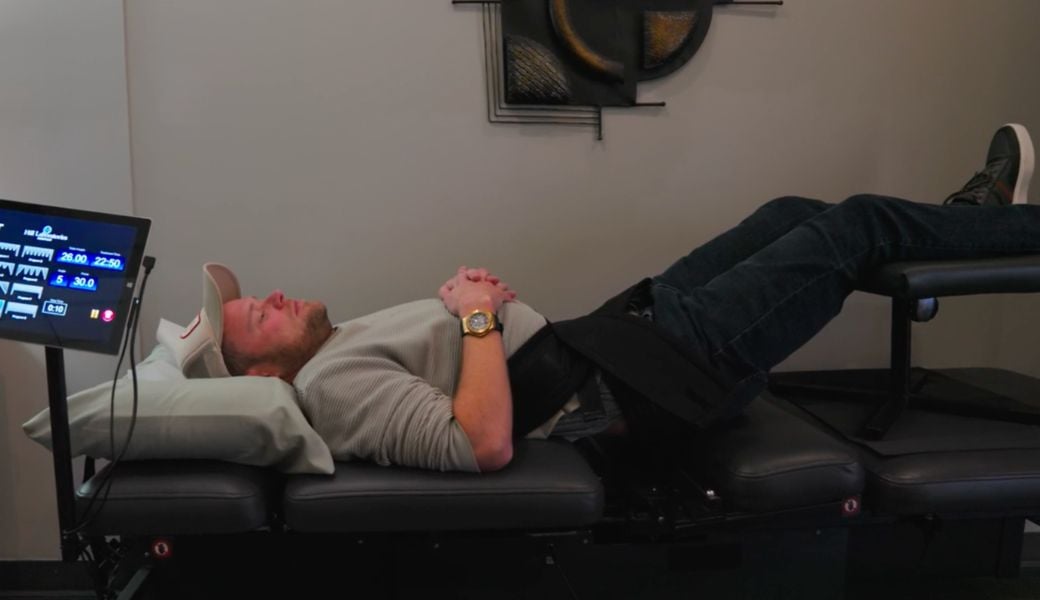
Plans may include gentle chiropractic care, mobility work, flexion-biased exercises (when appropriate), soft-tissue therapy, and sometimes decompression.
Can exercise help spinal stenosis?
Yes—when tailored to stenosis patterns. The right strengthening and mobility work can improve function and reduce flare-ups.
When is surgery considered for spinal stenosis?
Surgery may be considered when symptoms significantly limit daily life, neurological deficits worsen, or conservative care doesn’t provide sufficient relief.